

Fire sprinkler systems in the UK must comply with British Standards that define how systems are designed, installed, tested and maintained. These standards ensure reliability, performance and long-term safety. At GFS, all systems are installed to the correct BS standard based on building type and risk level.
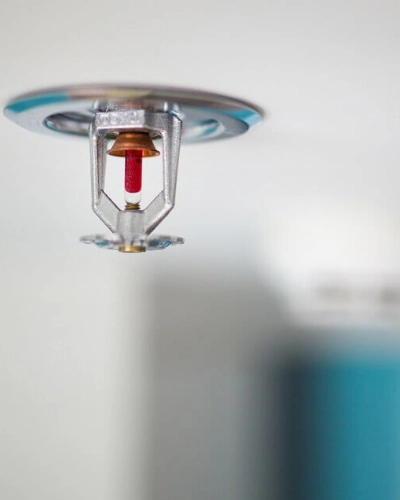
BS 9251 covers fire sprinkler systems installed in homes, apartments, HMOs, care homes and residential buildings. It sets requirements for:
System design categories based on building height and occupancy
Water supply methods, pump options and stored water volumes
Pipework materials and installation standards
Coverage requirements for rooms and escape routes
Testing, commissioning and ongoing maintenance schedules
This standard is used for most domestic and residential installations in the UK.
BS EN 12845 applies to commercial, industrial and higher-risk properties. It includes more detailed technical requirements such as:
Hazard classifications (LH, OH, HHP, HHS)
Pump and tank configurations
Hydraulic calculations for higher-risk environments
Protection levels for storage and industrial settings
System monitoring and fault alarms
Systems designed to BS EN 12845 provide increased resilience and are typically required for commercial developments, plant rooms, warehouses and manufacturing facilities.
Following the correct BS standard ensures:
Full compliance with UK fire regulations
Acceptance by building control and insurers
Reliable performance in a real fire situation
Long-term system safety and easier maintenance
Accurate design based on building use and risk category
GFS ensures every fire sprinkler system is designed, installed and maintained to the correct British Standard so clients benefit from a fully compliant and quality-assured installation.
British Standards exist to ensure that domestic and residential fire sprinkler systems are designed to perform reliably in the event of a fire, while also being practical for modern housing. In the UK, systems installed in houses, flats, HMOs and residential care premises are typically designed in accordance with BS 9251. This standard sets clear expectations around system categories, water supply arrangements, flow rates, pressure requirements and installation methods. By following a recognised British Standard, property owners and developers can demonstrate that their fire protection system has been designed using proven engineering principles, risk-based assessment and nationally accepted safety benchmarks.
Compliance with British Standards for fire sprinklers is also important for Building Control approval, insurance requirements and long-term property value. Insurers and regulatory bodies often require evidence that a sprinkler system has been installed and commissioned in line with BS 9251, including appropriate documentation, testing and ongoing maintenance schedules. The standard also covers system reliability, ensuring that components such as pipework, sprinkler heads and pumps are correctly specified for residential use. Regular servicing and inspection are essential to maintain performance over time, helping to ensure that the system will activate quickly and effectively if a fire occurs. Ultimately, adherence to British Standards provides reassurance that a domestic fire sprinkler system is not only compliant, but capable of protecting lives, reducing fire damage and supporting safer residential environments.
For more information on the British standards, visit the BAFSA
All rights reserved. GFS Doncaster Limited